Case Study: Successful Facility Renovation and Maintenance in Orlando
Introduction to the Orlando Facility Renovation
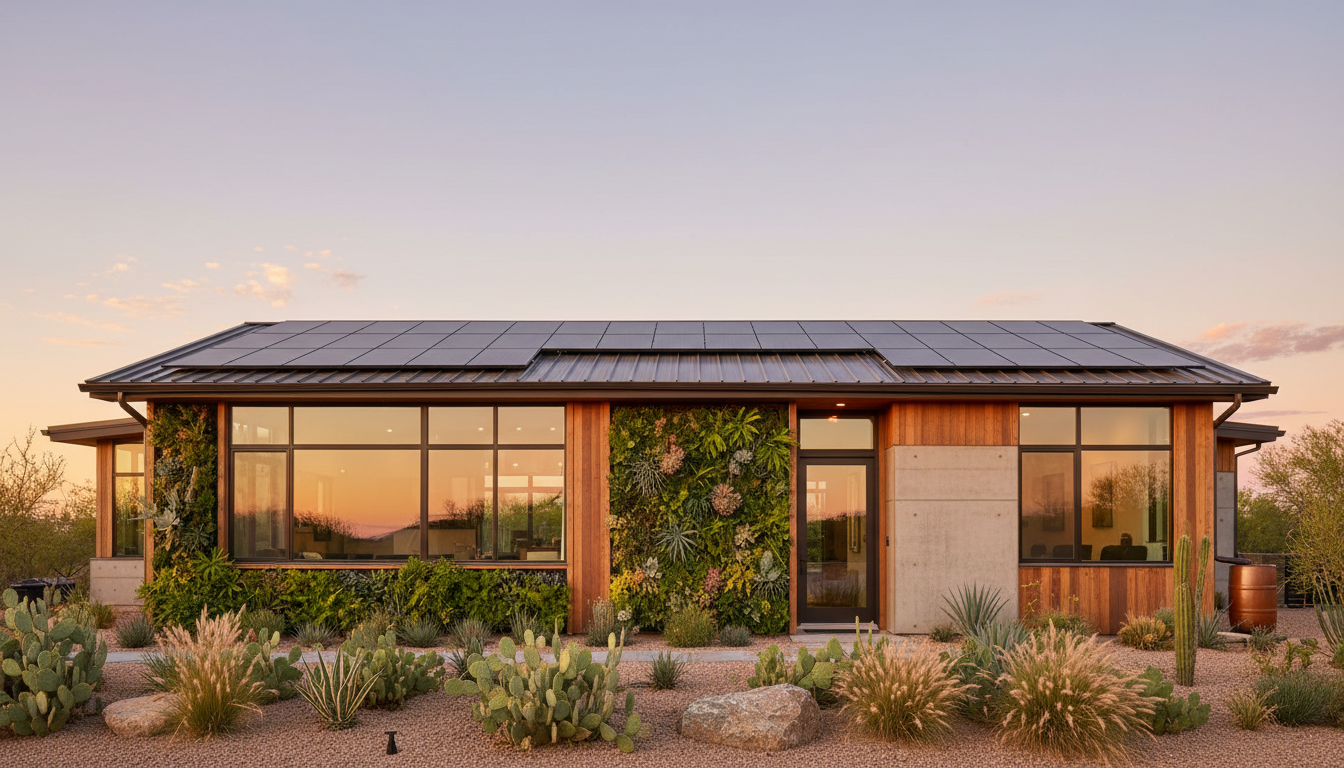
In the bustling heart of Orlando, a remarkable facility renovation and maintenance project has captured the attention of industry experts and local businesses alike. This case study explores the strategies and outcomes of a significant renovation endeavor that turned an outdated facility into a modern, efficient, and sustainable space.
Planning and Design
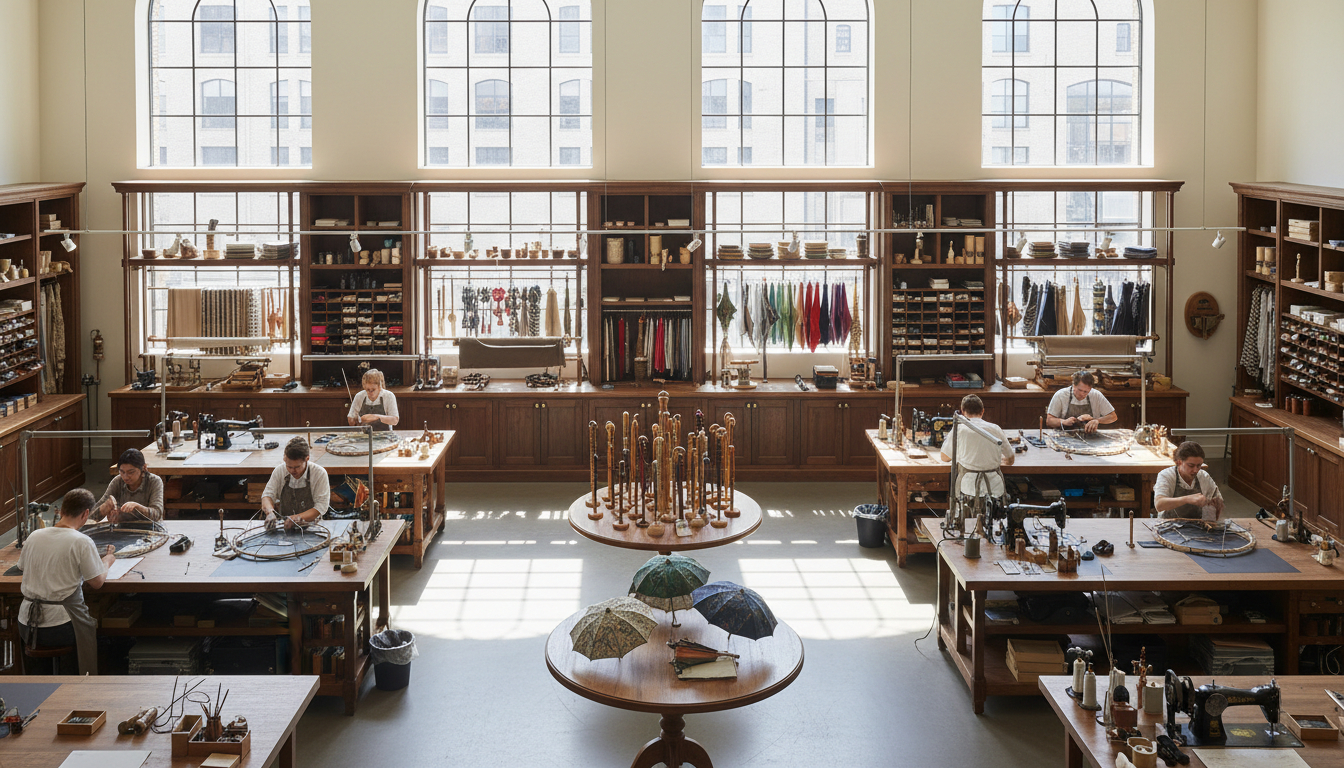
The journey began with an extensive planning and design phase. This stage involved collaboration between architects, engineers, and facility managers to ensure that all aspects of the renovation aligned with the client's vision and operational needs. Key considerations included maximizing space utilization, improving energy efficiency, and incorporating sustainable materials.
Innovative design solutions were implemented to enhance functionality and aesthetics. The use of eco-friendly materials and smart technology integration played a crucial role in setting the foundation for a successful renovation.
Stakeholder Involvement
Engaging stakeholders early in the process was essential. Regular meetings and workshops were held to gather input from employees, management, and other relevant parties. This collaborative approach ensured that the facility met the diverse needs of its users while fostering a sense of ownership and pride in the project.

Implementation and Challenges
The implementation phase presented several challenges, including maintaining operations during construction and adhering to strict timelines. A phased approach was adopted to minimize disruption, allowing parts of the facility to remain operational while renovations were underway.
Overcoming unforeseen obstacles, such as supply chain delays and weather-related issues, required flexibility and effective communication among all project teams. The ability to adapt quickly was key to staying on schedule and within budget.
Technological Integration
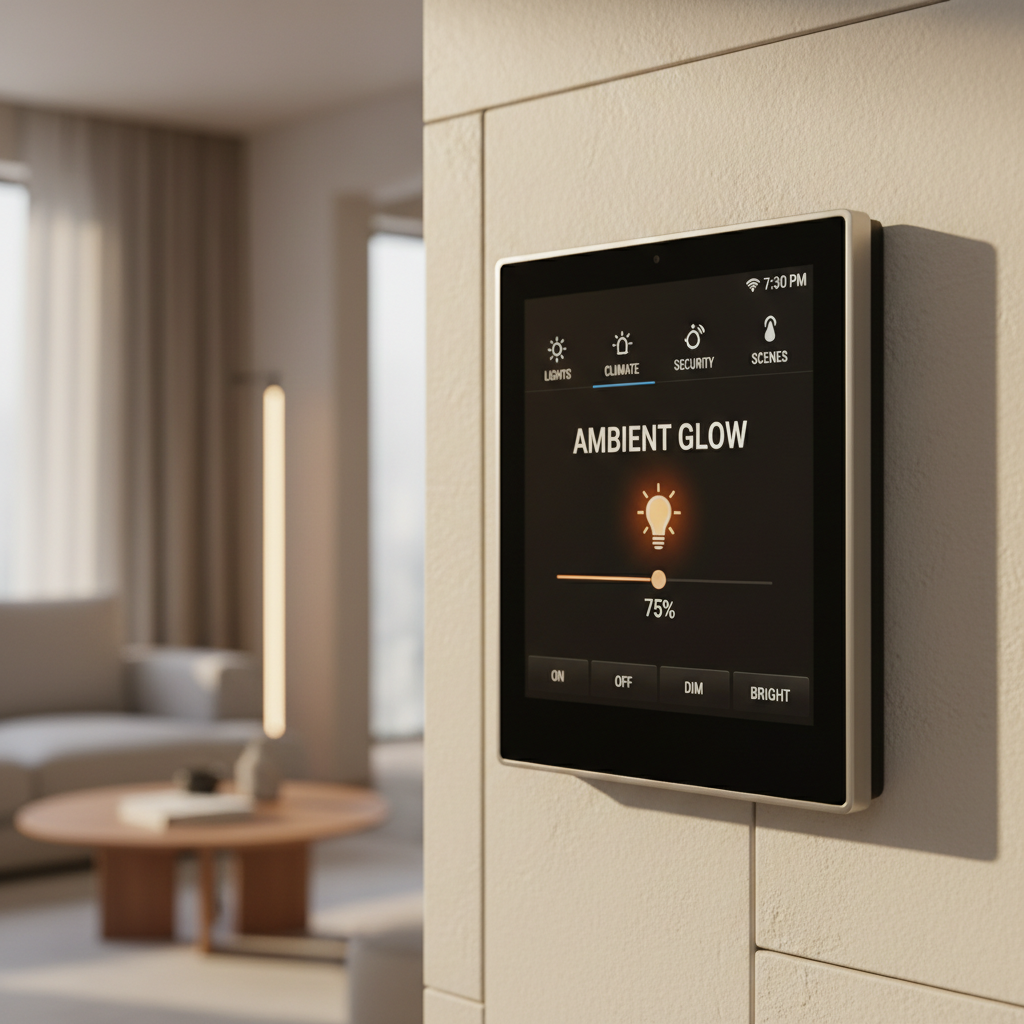
A major highlight of the renovation was the integration of cutting-edge technology. Smart systems for lighting, climate control, and security were installed, significantly reducing operational costs and improving user experience. These advancements not only enhanced the facility's functionality but also contributed to its long-term sustainability.
Results and Benefits
The completed renovation delivered exceptional results. The facility now boasts a modern, attractive design that meets the needs of its users while promoting energy efficiency and sustainability. Key benefits include:
- Increased operational efficiency
- Reduced energy consumption by 30%
- Enhanced employee satisfaction and productivity
- Improved visitor experience
The project's success is evidenced by positive feedback from both employees and visitors, as well as recognition within the industry for its innovative approach and sustainable practices.
Lessons Learned
This case study offers valuable insights for future renovation projects. Emphasizing stakeholder involvement, flexibility, and technological innovation can lead to a successful transformation of any facility. Additionally, the importance of sustainable practices cannot be overstated, as they offer both environmental and economic benefits.
Conclusion
The successful renovation and maintenance of this Orlando facility serve as an inspiring example of how strategic planning, collaboration, and innovation can deliver outstanding results. As businesses and communities continue to prioritize sustainability and efficiency, this case study provides a roadmap for achieving similar success in future projects.