How to Prepare Your Facility for Post-Construction Cleaning
Understanding Post-Construction Cleaning
After the dust settles from a construction project, the work isn't quite finished. One crucial step remains: post-construction cleaning. This process involves removing debris, dust, and other remnants left behind after construction activities. Proper preparation can ensure a smooth and efficient cleaning process.
Post-construction cleaning is often more intensive than regular cleaning. It requires specialized tools and techniques to ensure all areas are thoroughly cleaned and free of hazardous materials. Understanding the scope of work can help in planning effectively.
Assessing the Cleaning Needs
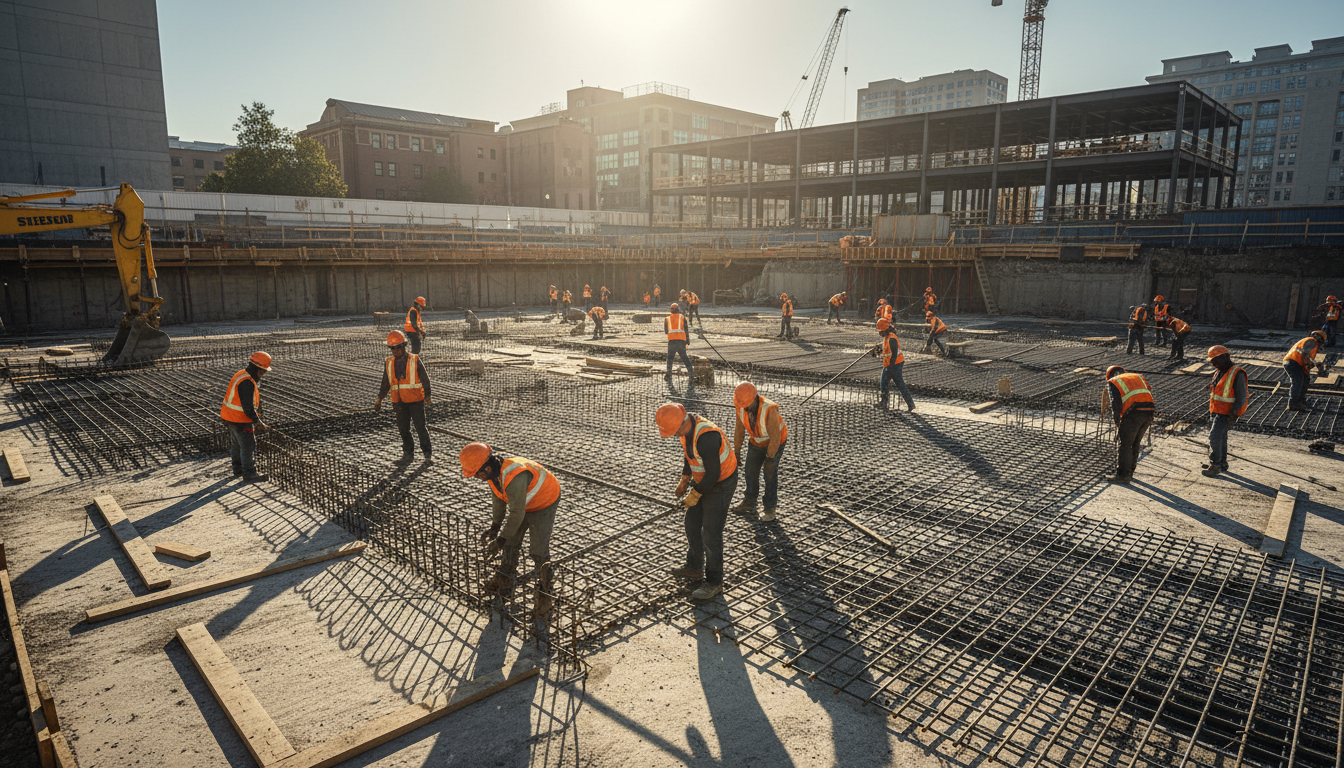
Before diving into the cleaning process, it's essential to assess the cleaning needs of your facility. Begin by conducting a thorough walkthrough of the site to identify areas that require attention. Look for dust accumulation, construction debris, and any potential hazards.
Consider the different zones of the facility, such as offices, restrooms, and communal areas, and evaluate the specific cleaning requirements for each. This assessment will help in allocating resources efficiently and ensuring no area is overlooked.
Identifying Hazardous Materials
Construction sites may have leftover hazardous materials such as nails, broken glass, or chemical substances. Identifying these materials is crucial for safety during the cleaning process. Make sure to dispose of them properly according to local regulations to prevent any environmental harm.
Gathering the Right Tools and Supplies
Having the appropriate tools and supplies is vital for effective post-construction cleaning. Equip your team with essentials such as industrial vacuums, microfiber cloths, and heavy-duty cleaning solutions. Personal protective equipment (PPE) like gloves and masks should also be part of the preparation.
For specific cleaning tasks, you might require specialized tools. For instance, scraping tools may be necessary to remove paint splatters or adhesive residues. Ensure all equipment is in good condition to avoid any interruptions during the cleaning process.

Creating a Cleaning Plan
A detailed cleaning plan can streamline the entire process and improve efficiency. Outline each step, assign tasks to team members, and set realistic deadlines. Prioritize high-traffic areas to minimize disruption to the facility's operations.
Consider implementing a phased cleaning approach, starting with the rough clean to remove large debris, followed by detailed cleaning to address finer elements and finishes.
Communicating with the Construction Team
Effective communication with the construction team is essential to ensure a seamless transition from construction to cleaning. Coordinate with them to understand the project timeline and any potential delays. This collaboration can help in scheduling the cleaning process at the most convenient time.

Additionally, discuss any specific areas that might need special attention or care. The construction team might provide insights on particular spots that require extra focus, making your cleaning efforts more targeted and effective.
Finalizing the Cleaning Process
Once the cleaning is underway, conduct regular inspections to ensure quality and thoroughness. Address any overlooked areas promptly and make adjustments to the cleaning plan if necessary. Upon completion, a final walkthrough with the construction and cleaning teams can ensure all expectations are met.
Preparing your facility for post-construction cleaning requires careful planning and execution. By following these guidelines, you can ensure a clean, safe, and ready-to-use environment for everyone.